Best Philosophy Books in 2026
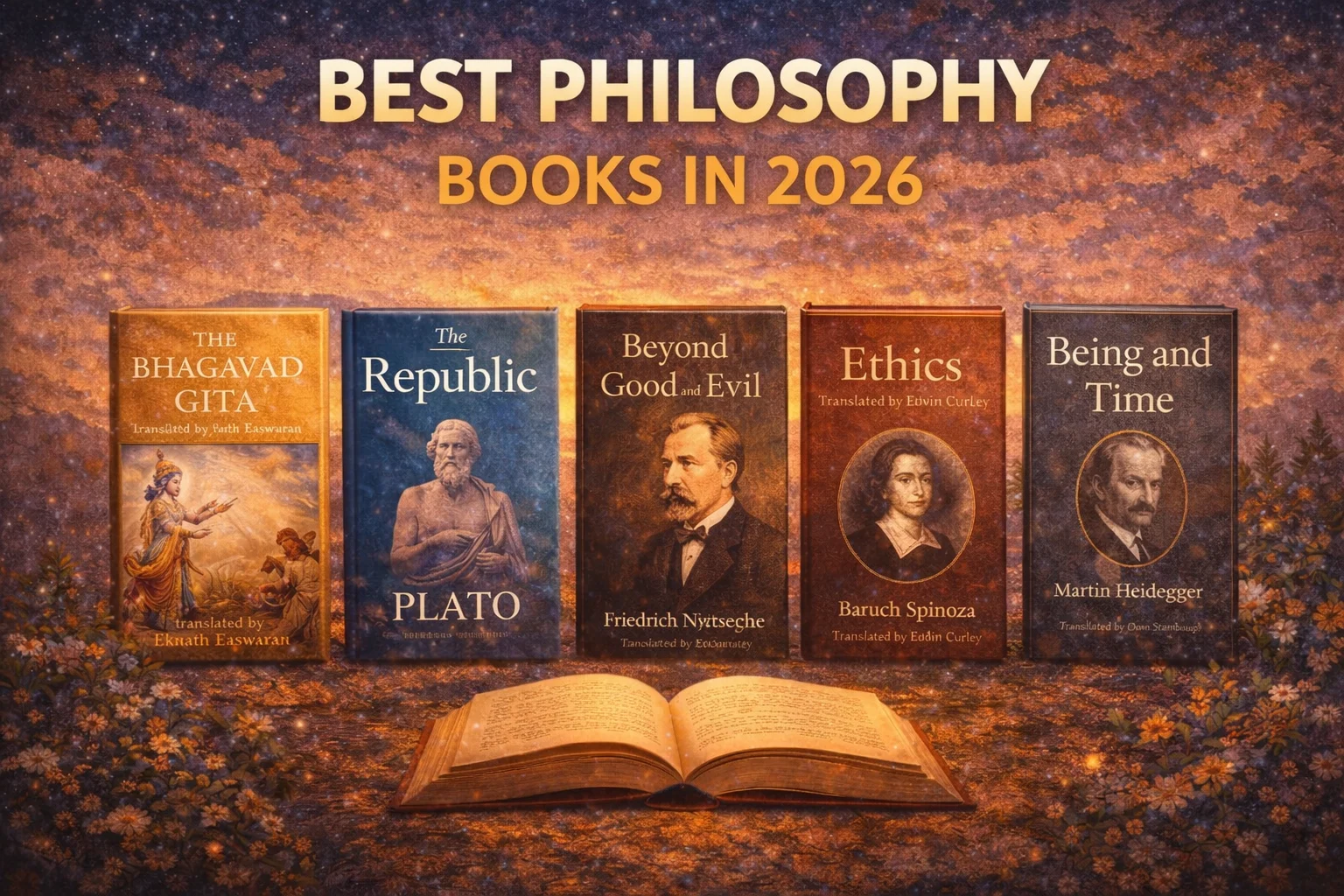
In 2026, philosophy is no longer limited to university classrooms or academic debates. It has become a practical tool for navigating uncertainty, making better decisions, and understanding identity in a rapidly changing world. From artificial intelligence and ethics to personal purpose and mental resilience, philosophical questions are shaping modern conversations more than ever before. The best philosophy books in 2026 are those that not only explore deep theoretical ideas but also help readers apply those ideas in real life. Today’s readers are looking for clarity, critical thinking, and intellectual independence. Whether it is classical works by Plato and Aristotle or modern thinkers discussing psychology and existentialism, philosophy books continue to guide readers toward deeper awareness.
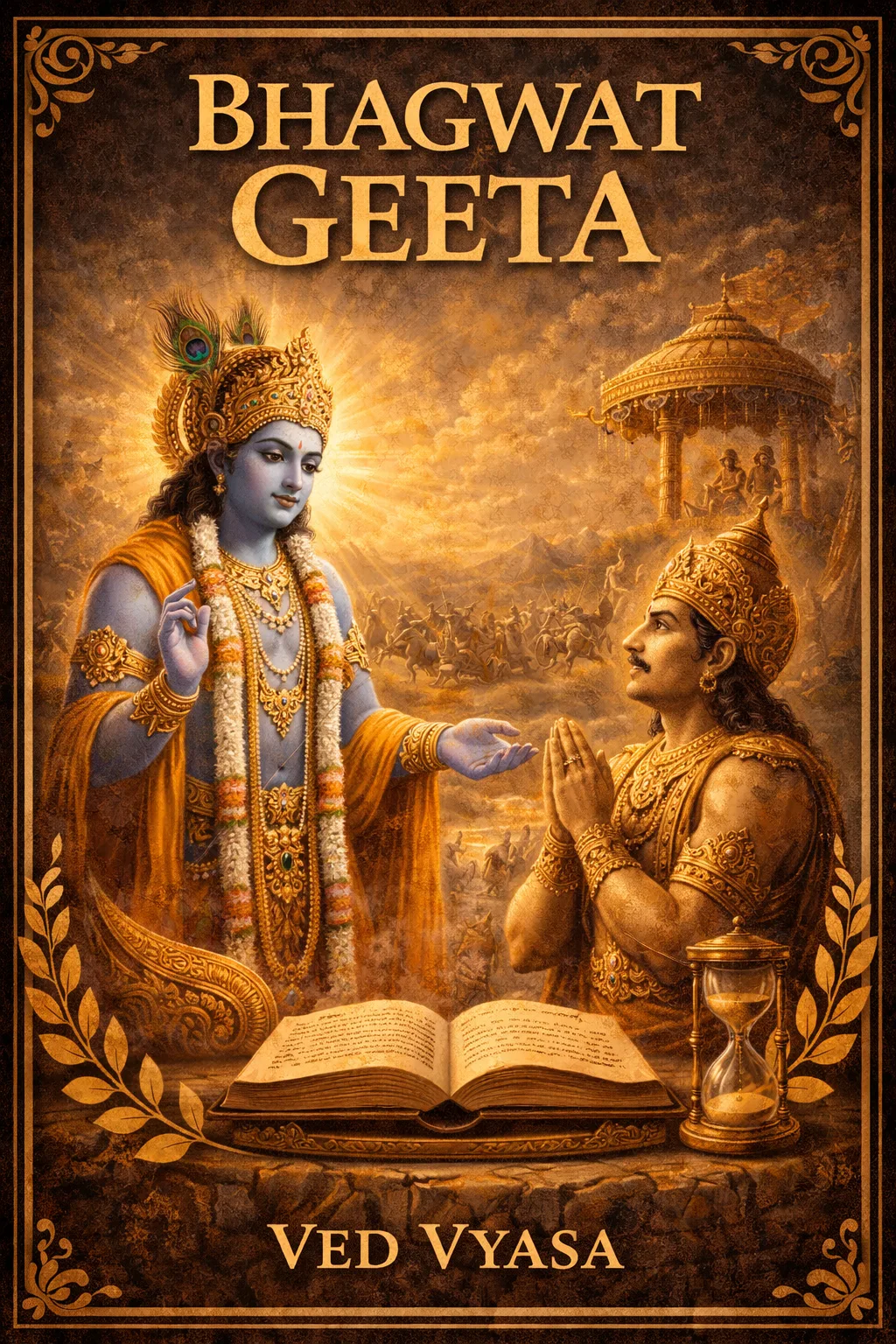
1. The Bhagavad Gita
Author : Ved Vyasa
Genre :Spiritual Scripture / Philosophy / Ethics
Description : The Bhagavad Gita is one of the most important spiritual and philosophical texts in Indian tradition. It is a 700-verse dialogue between Lord Krishna and Arjuna, set on the battlefield of Kurukshetra in the Indian epic, the Mahabharata. The central conflict is not just physical warfare but an internal moral crisis. Arjuna, confused and emotionally distressed about fighting in the war, seeks guidance from Krishna. What follows is a profound discussion on duty (dharma), action (karma), knowledge (jnana), devotion (bhakti), and self-realization.
Why You Should Read It : The Bhagavad Gita remains deeply relevant in 2026 because it addresses: Stress and anxiety Moral dilemmas Career confusion Emotional instability The search for purpose For students asking why reading books is important, the Gita demonstrates how a single text can provide life guidance across generations. It teaches discipline, responsibility, and resilience—qualities essential for academic and professional success.
Relevance in Modern Times In today’s competitive and uncertain environment, students often struggle with pressure and comparison. The Gita’s message of focusing on action rather than results is powerful advice for exam preparation and career building. Its lessons on emotional control and ethical leadership also make it valuable for future leaders, professionals, and thinkers.
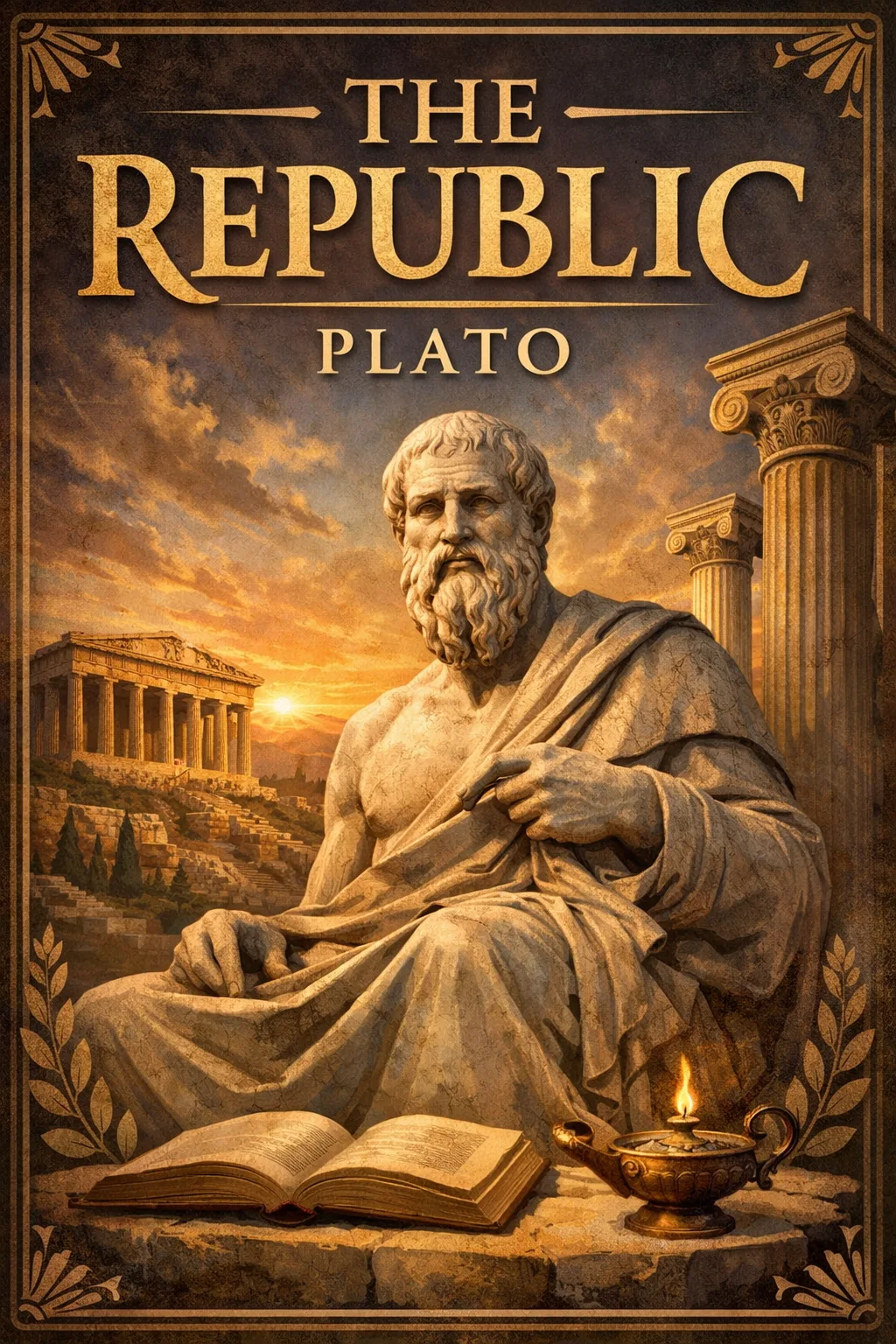
2. The Republic
Author : Pluto
Genre : Political Philosophy / Ethics / Classical Philosophy
Description : The Republic is one of the most influential works of Western philosophy, written by Plato around 380 BCE. The book is structured as a dialogue led by Socrates, Plato’s teacher, and explores profound questions about justice, morality, education, politics, and the ideal state. Rather than presenting simple answers, Plato uses debate and questioning to examine what justice truly means—both for individuals and for society. The central question of the book is: What is justice, and why should we live a just life?
Why You Should Read It : The Republic is one of the most influential works of Western philosophy, written by Plato around 380 BCE. The book is structured as a dialogue led by Socrates, Plato’s teacher, and explores profound questions about justice, morality, education, politics, and the ideal state. Rather than presenting simple answers, Plato uses debate and questioning to examine what justice truly means—both for individuals and for society. The central question of the book is: What is justice, and why should we live a just life?
Relevance in Modern Times In today’s world of political debates, social change, and ethical dilemmas, The Republic offers foundational ideas about governance and responsibility. Many modern democratic theories and educational systems are influenced by Plato’s arguments. The book challenges readers to question authority, power, and the meaning of fairness in society.
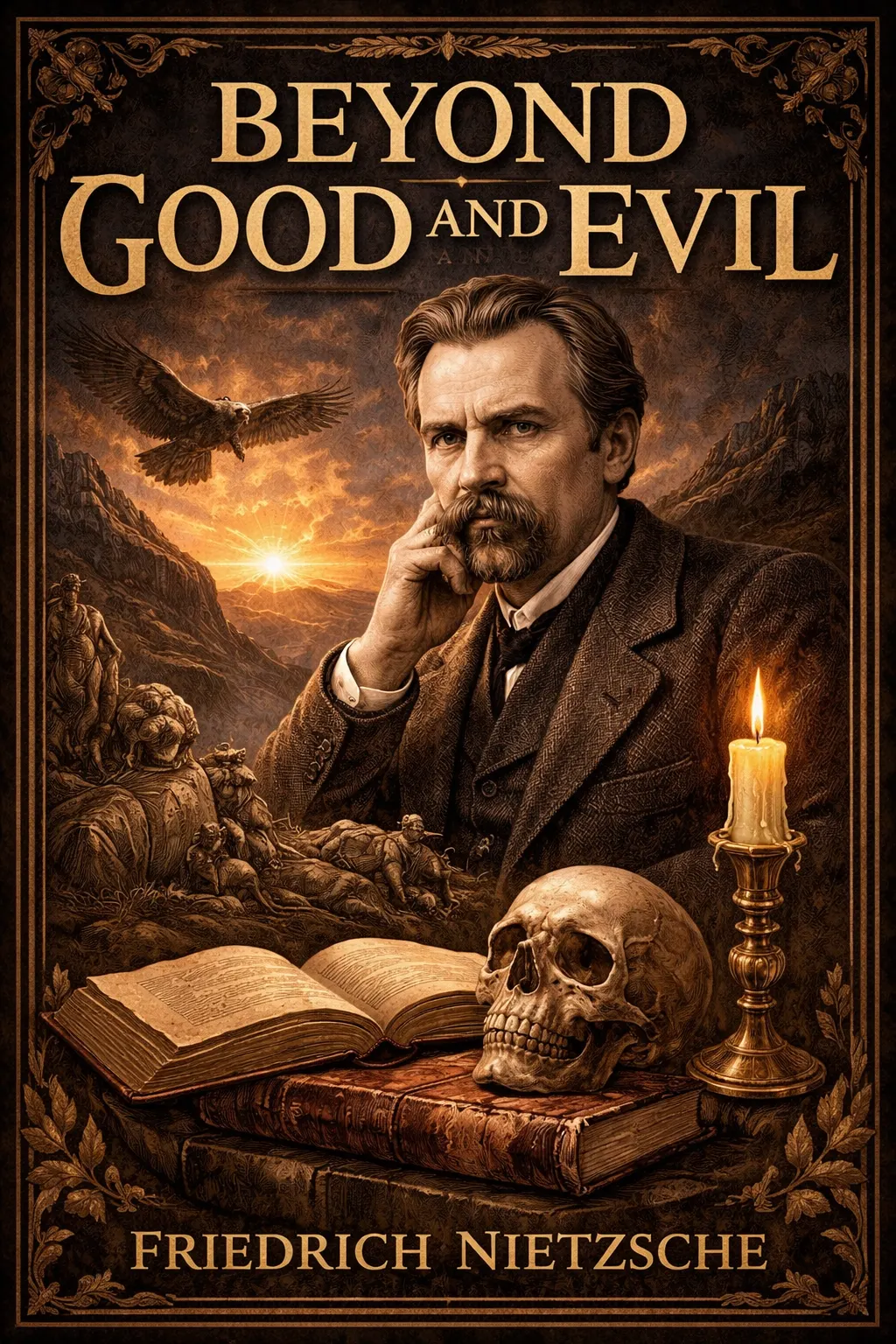
3.Beyond Good and Evil
Author : Friedrich Nietzsche
Genre : Philosophy / Ethics / Critical Theory
Description : Beyond Good and Evil is one of the most powerful and provocative works by Friedrich Nietzsche, first published in 1886. In this book, Nietzsche challenges traditional moral values, religious beliefs, and philosophical assumptions that had shaped Western thought for centuries. Rather than presenting a systematic argument like Plato, Nietzsche writes in sharp, aphoristic style—short but intense reflections that question the foundations of morality. His central claim is that conventional ideas of “good” and “evil” are not absolute truths but human-made constructs influenced by culture, religion, and power.
Why You Should Read It : Beyond Good and Evil is especially important for students who want to: Develop independent thought Question inherited beliefs Understand the psychology behind morality Strengthen critical reasoning skills The book is not easy to read, but it forces readers to confront uncomfortable questions about truth, morality, and power.
Relevance in Modern Times In 2026, where social norms, political ideologies, and moral debates dominate public discourse, Nietzsche’s ideas remain deeply relevant. The book pushes readers to analyze: Social conditioning Cultural values Authority and influence Personal responsibility It is particula rly valuable in an era of social media, where opinions often go unexamined.
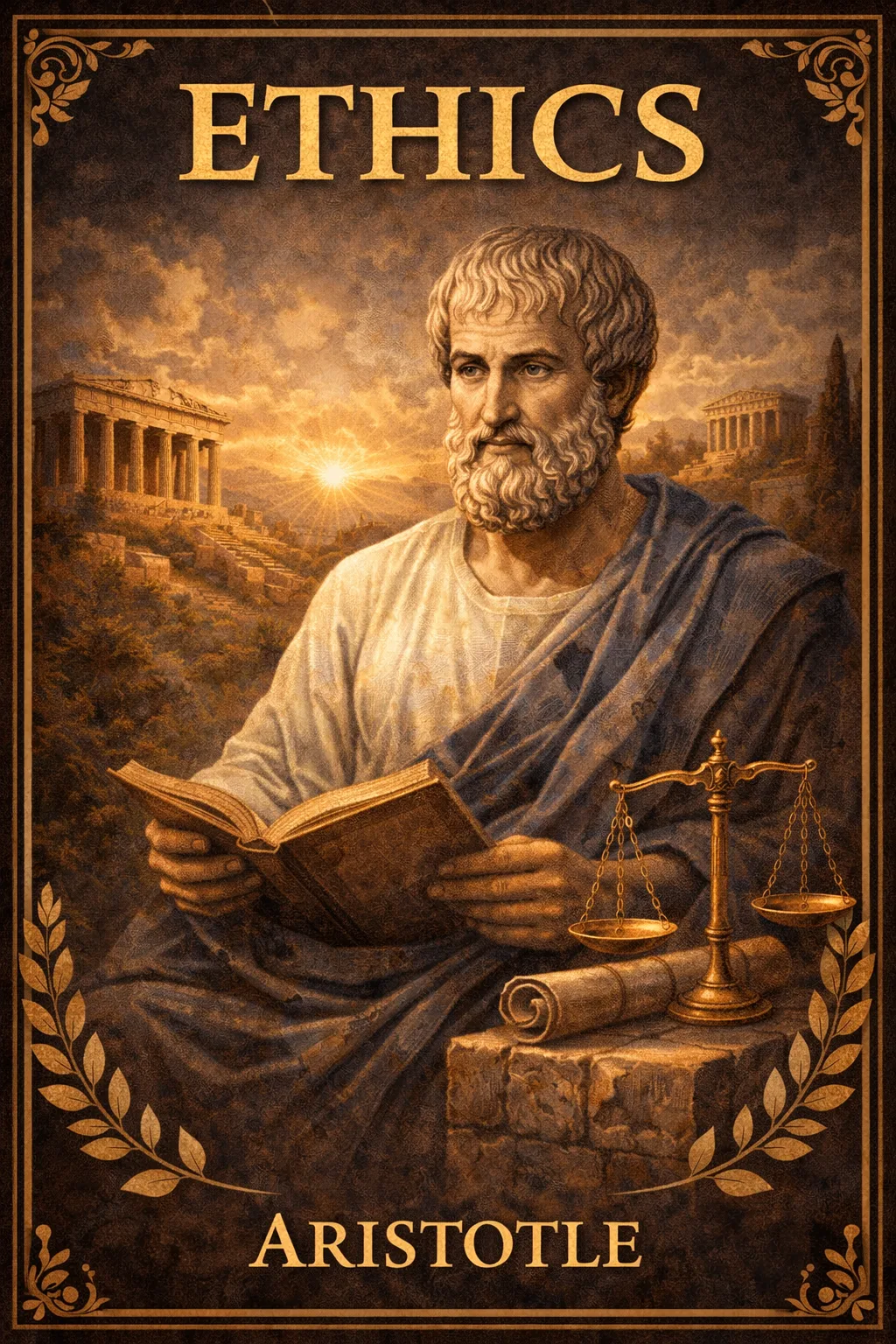
4.Ethics
Author : Aristotle
Genre : Moral Philosophy / Classical Philosophy
Description : Ethics—more accurately known as Nicomachean Ethics—is one of the most influential works of moral philosophy written by Aristotle in the 4th century BCE. In this foundational text, Aristotle examines the question: Unlike philosophers who focus only on rules or consequences, Aristotle centers his ethical theory on virtue and character development. The book argues that happiness (eudaimonia) is the highest human goal, and it is achieved through rational activity aligned with virtue.
Why You Should Read It : This book is essential for students because it: Develops moral reasoning Strengthens critical thinking Encourages character building Provides a framework for responsible leadership Teaches long-term thinking about happiness and success For anyone studying philosophy, political theory, or ethics, this text serves as a foundational reference.
Relevance in Modern Times In 2026, where ethical dilemmas arise in technology, politics, and social life, Aristotle’s ideas remain relevant. His emphasis on character over rules encourages individuals to focus on becoming good people, not just following regulations. In leadership, education, and professional life, virtue ethics continues to influence discussions about integrity, responsibility, and moral judgment.
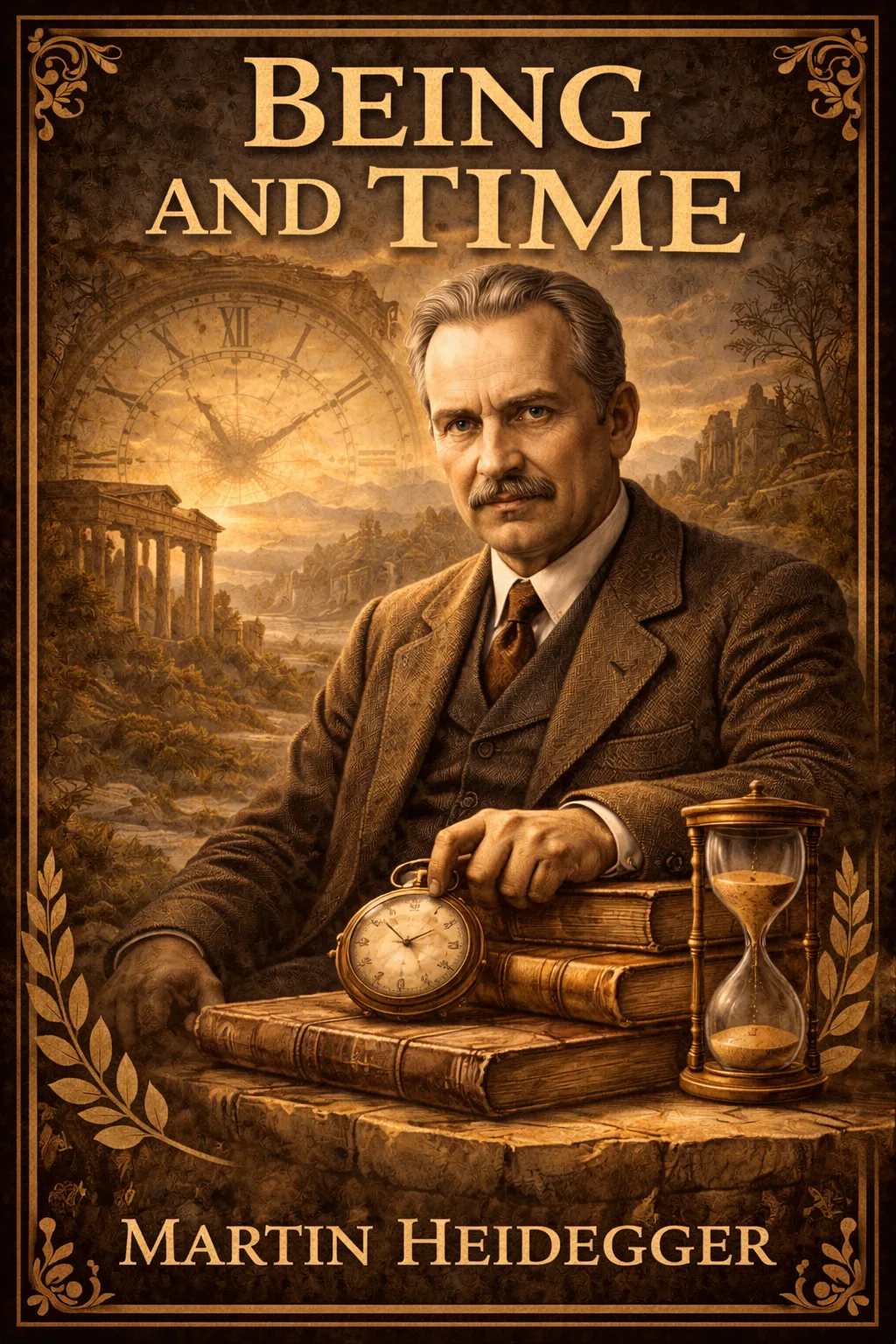
5. Being and Time
Author : Martin Heidegger
Genre : Existential Philosophy / Phenomenology
Description : Being and Time (Sein und Zeit), published in 1927, is the most important work of Martin Heidegger and one of the most challenging texts in modern philosophy. In this book, Heidegger attempts to revive a fundamental philosophical question that he believed Western philosophy had forgotten: Rather than defining “being” in abstract terms, Heidegger analyzes human existence itself. He introduces the concept of Dasein (literally “being-there”) to describe human beings as entities who are aware of and question their own existence.
Why You Should Read It : This book is demanding but intellectually transformative. It helps students: Develop deep analytical skills Understand existential philosophy Reflect on personal identity and purpose Strengthen philosophical reasoning Although not suitable for absolute beginners, serious philosophy students will find it foundational.
Relevance in Modern Times In a world increasingly shaped by technology, social media, and artificial intelligence, Heidegger’s critique of modernity is highly relevant. He warns that technological thinking can reduce human existence to efficiency and utility. For students navigating career pressure and identity questions, Being and Time encourages authentic self-examination rather than conformity.